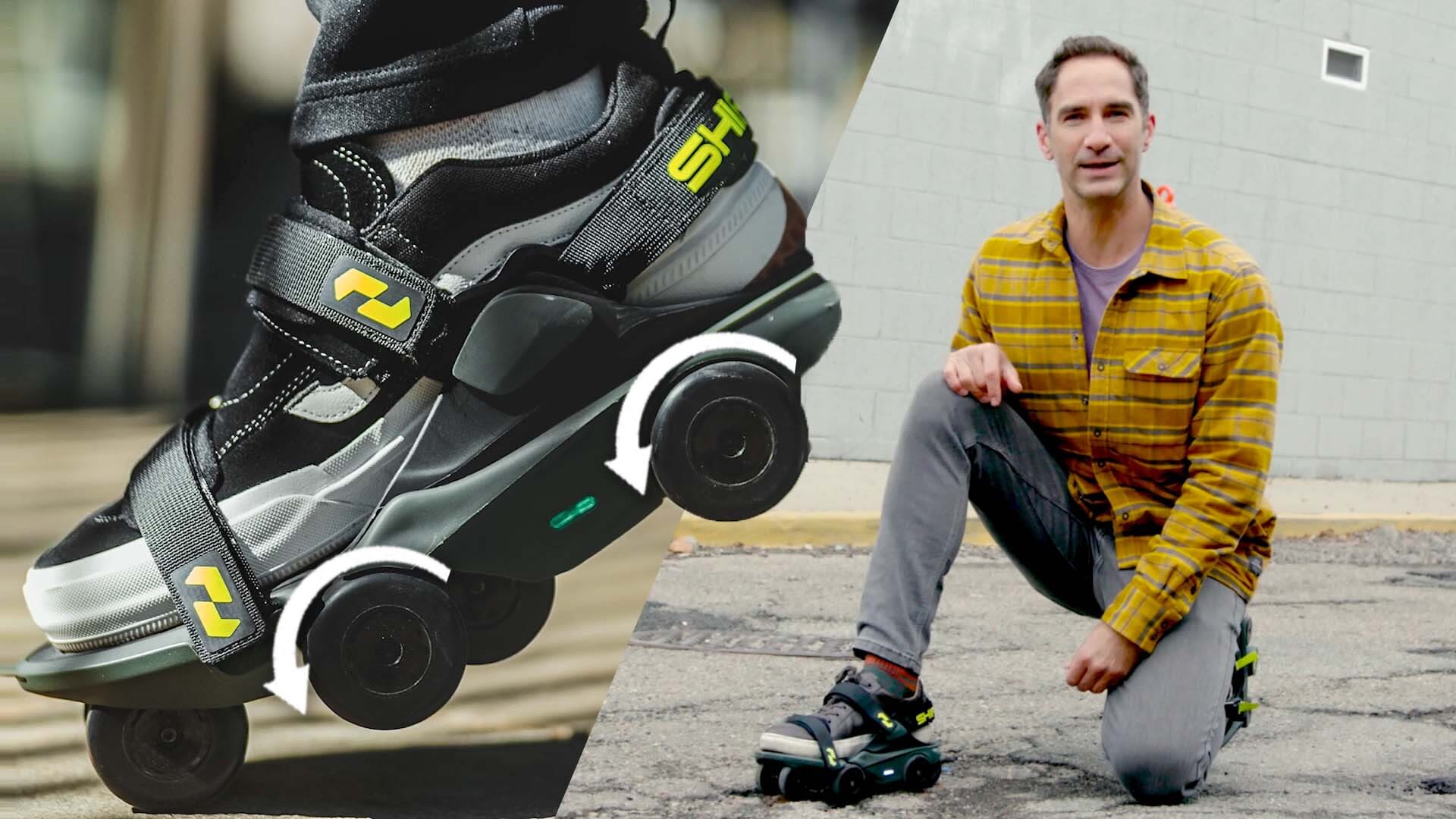
When Eliud Kipchoge crossed the finish line in Vienna in 2019, he didn’t just break the two-hour marathon barrier—he redefined what’s physically possible. His time: 1:59:40. The moment was historic. Less discussed, but equally pivotal, was what was on his feet: a pair of shoes so light they weighed less than a bar of soap.
That shoe—the Nike Air Zoom Alphafly NEXT%—wasn't just footwear. It was a biomechanical disruptor, engineered with precision materials, carbon-fiber propulsion, and aerodynamic design. It represented the culmination of years of research into how less weight, smarter geometry, and responsive cushioning could slice seconds off every stride.
Now, elite runners and weekend warriors alike are asking: how can something so light deliver such massive performance gains? And what does this mean for the future of distance running?
The Weight That Changed Everything
A standard bar of soap weighs about 100 grams (3.5 ounces). For decades, elite marathon shoes hovered around 200–250 grams per shoe. That changed with the introduction of the Nike Vaporfly 4% in 2017. Weighing in at just 218 grams for men’s size 9, it was revolutionary—but the real leap came with its successors.
The Alphafly NEXT% dropped the weight further while adding propulsion. Each shoe weighs approximately 195 grams, and newer iterations, like the Alphafly 3, have optimized materials to inch closer to that 100-gram threshold in prototype form.
But why does weight matter so much at this level?
Every gram lifted with each stride adds up over 42.2 kilometers. Researchers estimate that reducing shoe weight by 100 grams can improve running economy by about 1%. That may sound minor, but in marathon terms, it translates to roughly 1–2 minutes over 26.2 miles—enough to turn a podium finish into a world record.
How "Lighter Than Soap" Engineering Works
You can’t just strip foam and fabric from a shoe and call it innovation. The magic lies in how these shoes achieve such low weight without sacrificing durability, stability, or energy return.
Carbon-Fiber Plates: The Hidden Engine
At the heart of the Alphafly and similar shoes is a full-length, rigid carbon-fiber plate. This isn’t just reinforcement—it’s a spring. The plate stiffens the midsole, reducing energy loss in the arch during toe-off. It creates a "lever effect," helping propel the runner forward with less muscular effort.
Think of it like a diving board: the stiffer the board, the more bounce you get when you push down. The carbon plate stores and releases energy with each stride, effectively turning the shoe into a tiny assist motor.
ZoomX Foam: Lightweight, Responsive, and Bouncy
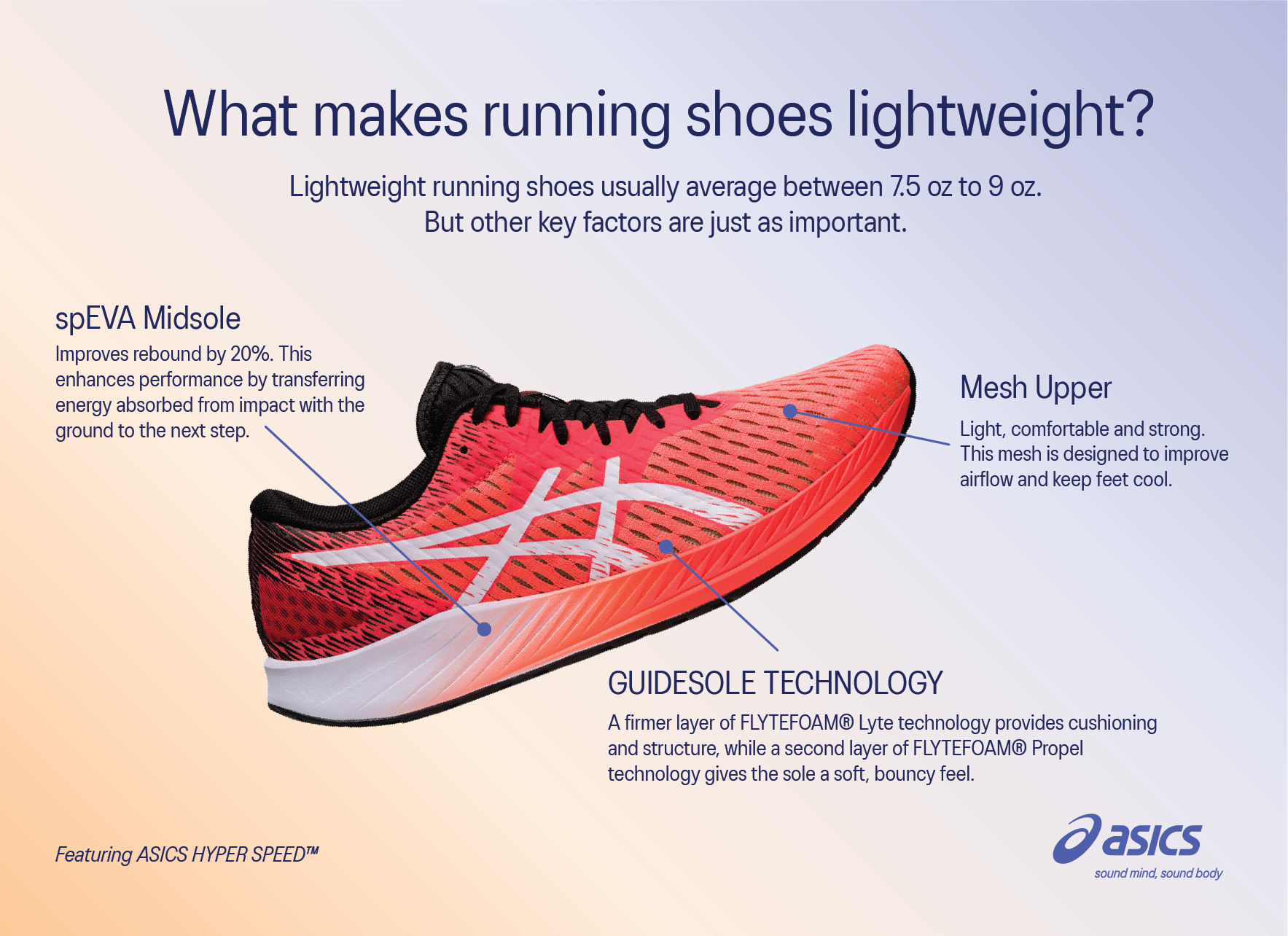
Nike’s proprietary ZoomX foam is the other half of the equation. Made from Pebax, a high-performance thermoplastic elastomer, it’s 13% lighter and 87% more energetic than traditional EVA foam. It compresses easily underfoot and rebounds quickly, giving runners a responsive, almost trampoline-like sensation.
But ZoomX has trade-offs: it’s less durable and more expensive. That’s why it’s typically reserved for racing, not daily training. Still, its contribution to reducing overall shoe weight—while boosting performance—can’t be overstated.
Aerodynamic Upper Design
The upper—the part that wraps your foot—is made from a single-layer, engineered mesh. It’s breathable, minimal, and stitched only where necessary. No heavy overlays, no bulky lacing systems. The result? A shoe that hugs the foot like a sock, cutting wind resistance and saving precious grams.
Real-World Impact: From Elite Races to Amateur Goals
The Alphafly didn’t just help Kipchoge break two hours—it changed competitive marathoning. Since 2017, over 90% of elite marathoners wearing Vaporfly or Alphafly shoes have posted personal bests. At the 2022 Berlin Marathon, Eliud Kipchoge ran 2:01:09 in the Alphafly 2—nearly a full minute faster than his previous world record.
But the technology isn’t just for elites.
Recreational runners are seeing gains too. A 2021 study in Sports Medicine found that runners wearing super shoes (like the Alphafly or Adidas Adizero Adios Pro) improved their marathon times by an average of 2.7% compared to traditional racing flats. For a 4-hour marathoner, that’s over six minutes saved—without changing training.
Still, there are pitfalls. Many amateurs assume lighter = better for all conditions. That’s not true. These shoes are optimized for fast, even pacing on roads. They’re less effective on trails, hills, or during long training runs where stability and cushioning longevity matter more.
The Controversy: Are Super Shoes Unfair? When a shoe can improve running economy by up to 4%, questions arise: is this still sport, or technological doping?
In 2020, World Athletics responded by introducing new regulations: - Midsole thickness capped at 40mm (Alphafly sits just under at 39mm) - No more than one rigid embedded plate per shoe - Shoes must be available to the general public for at least four months before use in competition
The rules were designed to prevent an arms race while still allowing innovation. Still, critics argue the advantage remains skewed toward athletes sponsored by major brands. Independent runners may not afford $275+ per pair.
Others point out that technology has always shaped sport—think advancements in swimsuits, bicycles, or pole vaulting poles. The difference now is the magnitude of improvement packed into such a small, lightweight package.
Beyond Nike: The Race for the Next Breakthrough
Nike dominates the super shoe market, but rivals are closing in. Brands are now racing to build shoes that are not just lighter, but smarter.
Key Competitors in the Lightweight Racing Shoe Arena

| Brand & Model | Weight (Men’s Size 9) | Key Feature | Price |
|---|---|---|---|
| Nike Alphafly 3 | 192g | Dual ZoomX, full carbon plate, aerodynamic upper | $275 |
| Adidas Adizero Adios Pro 3 | 203g | Lightstrike Pro foam, energy rods, 4D heel | $240 |
| Saucony Endorphin Pro 3 | 213g | PWRRUN PB foam, nylon plate, balanced ride | $225 |
| New Balance FuelCell SC Elite v4 | 200g | FuelCell foam, carbon plate, aggressive rocker | $250 |
| Hoka Hyperion Superfast | 215g | Profly+ foam, carbon plate, lightweight upper | $250 |
While none are quite lighter than a bar of soap yet, the trend is clear: every gram counts. Adidas uses “energy rods” in the midsole to mimic the carbon plate’s effect. Saucony focuses on a more balanced ride for variable pacing. Hoka, known for maximal cushioning, has slimmed down aggressively to compete.
The next frontier may be customization—3D-printed midsoles tuned to individual biomechanics, or smart fabrics that adapt to temperature and fatigue.
Practical Takeaways for Runners
If you're considering a super shoe for your next race, here’s how to make the most of the technology—without wasting money or risking injury:
1. Use Them Strategically
These aren’t daily trainers. Save them for long runs, tempo sessions, and race day. Most last 150–200 miles before the foam degrades.
2. Train Your Body to Handle the Drop Super shoes often have a higher stack height and sharper rocker geometry. This changes your stride. Transition slowly to avoid Achilles or calf strain.
3. Don’t Chase Weight Alone A 190g shoe won’t help if it doesn’t fit your foot or gait. Get fitted at a specialty running store or use a brand’s sizing tool.
4. Pair With Smart Pacing The shoes help, but they won’t fix pacing errors. Use a GPS watch and practice negative splits in training.
5. Mind the Cost At $250+, one pair equals several traditional racing flats. Consider buying used or waiting for discounts post-marathon season.
The Future: Shoes That Feel Like Nothing
The dream of a truly soap-light shoe—under 100 grams with full performance—isn’t fantasy. Material science is advancing rapidly. Graphene-infused foams, bioengineered textiles, and AI-designed geometries could make it possible within a decade.
But the real breakthrough won’t just be weight. It’ll be integration: shoes that monitor fatigue, adjust cushioning in real time, or even communicate with wearables to optimize performance.
For now, the Alphafly and its peers represent the pinnacle of what’s possible when engineering, materials, and human ambition collide. They’re not just lighter than a bar of soap—they’re redefining what we thought our bodies could do.
Run smarter. Run lighter. And remember: sometimes, the greatest leaps come in the smallest packages.
Choose your next race shoe not by weight alone, but by how it complements your stride, goals, and training. The record may be on the clock—but the edge starts at your feet.
Frequently Asked Questions
Are shoes lighter than a bar of soap durable enough for a marathon? Yes, but with caveats. Racing shoes like the Alphafly are built for peak performance over one race, not longevity. They typically last 150–200 miles.
Can these shoes help amateur runners improve their time? Absolutely. Studies show recreational runners gain 2–3% in efficiency, translating to several minutes saved in a marathon.
Why are carbon-fiber plates so important in lightweight shoes? They reduce energy loss in the foot’s arch, act as a lever for propulsion, and improve running economy by up to 4%.
Do all lightweight racing shoes feel the same? No. Each brand tunes foam, plate stiffness, and geometry differently. Nike feels bouncy, Adidas more responsive, Saucony more balanced.
Are super shoes worth the high price? For racers aiming for personal bests, yes. For casual runners, a mid-tier model may offer better value.
Can lightweight shoes increase injury risk? Possibly, if used improperly. Their aggressive design can strain calves or Achilles tendons if you’re not accustomed to them.
What’s the lightest marathon shoe available to the public? The Nike Alphafly 3 is among the lightest, at 192 grams for men’s size 9—close to, but not quite, under 100 grams.
FAQ
What should you look for in Lighter Than a Bar of Soap: The Shoes That Broke the Marathon Record? Focus on relevance, practical value, and how well the solution matches real user intent.
Is Lighter Than a Bar of Soap: The Shoes That Broke the Marathon Record suitable for beginners? That depends on the workflow, but a clear step-by-step approach usually makes it easier to start.
How do you compare options around Lighter Than a Bar of Soap: The Shoes That Broke the Marathon Record? Compare features, trust signals, limitations, pricing, and ease of implementation.
What mistakes should you avoid? Avoid generic choices, weak validation, and decisions based only on marketing claims.
What is the next best step? Shortlist the most relevant options, validate them quickly, and refine from real-world results.